
Annual Integrated Report for the year ended 30 June 2024
Annual Integrated Report for the year ended 30 June 2024
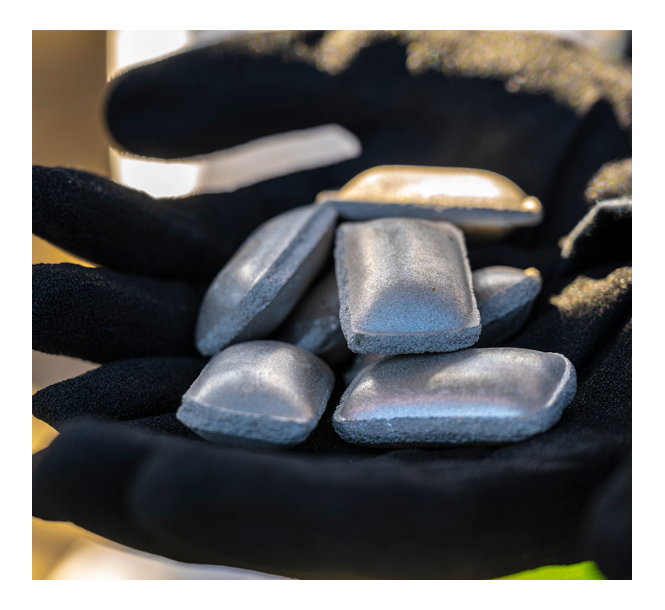
Implats’ strategy considers the influence and implications of the macro-environment in which we operate, the changing market dynamics for PGM markets and the strategies of our peers, which present risks and opportunities for our business. Our strategy directs our approach to managing these factors, within the framework of sustained value creation for our stakeholders in the short, medium and long term.
During the period, global economic activity was characterised by steady but anaemic growth with slowing disinflation and persistently restrictive monetary policies. Interest rates remained at multi-decade highs, presenting headwinds to both consumer and investment sentiment in precious metal markets, which negatively impacted prices. The geopolitical climate, characterised by ongoing conflicts in Ukraine and the Middle East, numerous national elections, and rising trade protectionism has had significant implications for the global economy. PGM pricing dislocations were caused by the shift in trade flows from West to East and discounted metal flowing from Russia. In addition, destocking by OEMs and industrial end-users exacerbated the price impact of speculative investment flows in platinum and palladium. Fundamental deficits in each of the primary PGMs are anticipated to persist in the near term.
Market forces for PGMs
| Short term | Medium term | Long term | |||||
| Platinum | Global economy, Chinese purchasing and consumption, switching, South African supply | Global economy, switching, above-ground stocks, Asian jewellery, hydrogen | South African supply outlook, hydrogen, electrification of heavy-duty in fleet, changes industrial capacity | ||||
| Palladium | Auto sales, constrained autocat recycling, NYMEX shorts | Switching, electrification, recycling, growth, Russian supply | Electrification, recycling, new demand drivers | ||||
| Rhodium | Auto sales, South African supply, industrial destocking | Electrification, UG2 mine economics, industrial demand, recycling | Electrification, South African supply, industrial demand evolution | ||||
| Iridium and ruthenium | Global electro-chemical demand, South African supply, strategic sourcing | Hydrogen economy, substitution | Hydrogen economy, South African supply, recycling |
| Implications for value |

Intellectual capital 
Financial capital 
Social and relationship capital 
Natural capital |
|||
|
||||
| Strategic response | ||||
|
||||
| Risks | Strategic pillars | |||
PGM basket pricing 1 |
|
|||
Commodity pricing remains vulnerable to changing market dynamics and liquidity, and variations in investor sentiment. The South African rand is the dominant PGM producer currency and, as a result, there is a close correlation between currency performance and the incentive price of these metals. Persistent interest rate differentials have proved rand supportive, with investor sentiment further buoyed by the outcome of the May 2024 national elections, buffering the headwinds of persistent domestic factors and regional challenges. Effective currency and exchange rate risk management remains a key focus due to the continued devaluation of the Zimbabwean dollar and the recent introduction of the Zimbabwe Gold (ZWG).
| Implications for value |
Intellectual capital
Financial capital
Social and relationship capital |
|||
|
||||
| Strategic response | ||||
|
||||
| Risks | Strategic pillars | |||
|
PGM basket pricing 1 ZWD inflation risk 6 |
|
|||
PGM miners face challenging – and sometimes competing – stakeholder expectations from host communities, governments, organised labour and investors. These expectations evolve over time, creating the need for an organisational structure and culture, which can both anticipate and respond timeously and appropriately.
| Implications for value |

Human capital
Social and relationship capital
Financial capital |
|||
|
||||
| Strategic response | ||||
|
||||
| Risks | Strategic pillars | |||
|
PGM basket pricing 1 Labour relations 4 Social licence and stakeholder relations 7 |
|
|||
There is a global skills shortage in the mining industry across a wide spectrum of key occupations – including artisans, engineers, technicians and effective managers with the relevant mining and minerals processing experience. The global pool of mining talent has diminished and attracting candidates with these skills, in particular to South Africa and Zimbabwe, is challenging. In addition, mining companies are significant employers and must ensure stable and harmonious labour relations, share value, offer a rewarding working environment, and safeguard employees’ health and wellbeing, while also growing and retaining the bench strength required to realise their strategic ambitions. Achieving these objectives is frustrated by the impact of weak prevailing PGM pricing, which has resulted in labour restructuring at all the leading PGM producers.
| Implications for value |
Intellectual capital
Human capital
Social and relationship capital
Financial capital |
|||
|
||||
| Strategic response | ||||
|
||||
| Risks | Strategic pillars | |||
|
PGM basket pricing 1 Safety risk 2 Labour relations 4 Social licence and stakeholder relations 7 Management capacity and efficiency 9 |
|
|||
Advancing technology, digital and artificial intelligence interventions create new opportunities for mechanisation and automation to improve efficiencies, internal processes and organisational structures, while enhancing safety and our environmental performance. Digital security risks are a global concern. Technological advances in energy storage and the hydrogen economy pave the way for the development of meaningful new demand sources for PGMs.
| Implications for value |
Natural capital
Intellectual capital
Social and relationship capital
Financial capital 
Manufactured capital
Human capital |
|||
|
||||
| Strategic response | ||||
|
||||
| Risks | Strategic pillars | |||
|
PGM basket pricing 1 Safety risk 2 Social licence and stakeholder relations 7 Regulatory risk 8 Management capacity and efficiency 9 Cyber security 10 |
|
|||
Implats’ mineral resource portfolio is both geographically diverse and dominated by low-cost, mechanised orebodies and is complemented by a suite of integrated processing assets. We seek to optimise operational planning and capital investment to enhance the competitive positioning of each asset to maximise returns and reduce vulnerability to PGM cyclicality.
| Implications for value |
Natural capital
Manufactured capital
Financial capital
Intellectual capital |
|||
|
||||
| Strategic response | ||||
|
||||
| Risks | Strategic pillars | |||
|
PGM basket pricing 1 Safety risk 2 IB business case 3 Labour relations 4 Social licence and stakeholder relations 7 Regulatory risk 8
|
|
|||
Implats’ activities must be conducted in an environmentally responsible way and within a strong governance framework, while ensuring and improving the wellbeing of affected stakeholders.
| Implications for value |
Social and relationship capital
Human capital
Financial capital
Natural capital
Intellectual capital |
|||
|
||||
| Strategic response | ||||
|
||||
| Risks | Strategic pillars | |||
|
PGM basket pricing 1 Safety risk 2 Social licence and stakeholder relations 7 Regulatory risk 8 Management capacity and efficiency 9 Cyber security 10 |
|
|||
Security of electricity and water supply remain key risks for southern African operations.
| Implications for value |
Natural capital
Manufactured capital
Financial capital
Social and relationship capital |
|||
|
||||
| Strategic response | ||||
|
||||
| Risks | Strategic pillars | |||
|
PGM basket pricing 1 Electricity 5 Social licence and stakeholder relations 7
|
|
|||
Delivering superior value to all stakeholders is premised on ensuring full or beyond compliance with the legislative and policy environments in the geographies in which we operate.
| Implications for value |
Natural capital
Manufactured capital
Financial capital
Intellectual capital |
|||
|
||||
| Strategic response | ||||
|
||||
| Risks | Strategic pillars | |||
|
ZWD inflation risk 6 Social licence and stakeholder relations 7 Regulatory risk 8
|
|
|||